You are about to read: What I wish I knew before landing in Canada (Emotional Truths + Practical Tips).
Moving to Canada changes you in ways you don’t fully understand until you’re standing in the middle of it. Before you arrive, you focus on documents, flights, and checklists, but no one really prepares you for the emotional shift that comes with starting over.
You expect challenges, but you don’t expect how different the smallest everyday things can feel. Also you don’t know how long it may take to find your rhythm. You don’t expect the mix of courage and confusion that shows up in those first few weeks of your arrival.
What many newcomers wish they knew earlier isn’t hidden information, it’s the emotional and practical reality of adjusting to a new system, new culture, new expectations, and a new version of themselves.
There are questions you don’t even realize you’ll need answers to until you’re already here: How do you manage the wait for your first job? How do you build a support system from nothing? How do you stay grounded when everything familiar is far away?
This guide was created to fill that gap. It blends practical steps with emotional truths, the things newcomers actually struggle with but don’t always talk about out loud. You’ll learn what to prepare before landing, what to expect in your first weeks, and how to settle in a way that protects both your progress and your peace.
It’s not just about making the transition smoother, it’s about helping you feel less alone in the process. You should read: Landing Strong in Canada: First-Month Emotional Check-In for Newcomers
The Benefits of Being Prepared

Photo credit: Germaine C
Preparation doesn’t remove every challenge you’ll face as a newcomer, but it gives you something incredibly valuable: stability in a season of uncertainty. And this is one of the biggest lessons behind What I Wish I Knew Before Landing in Canada: Emotional Truths + Practical Tips for a Smooth Transition, that readiness shapes your entire experience long before you arrive.
When you take time to understand what lies ahead, the documents you’ll need, the systems you’ll navigate, the emotional shifts you’ll experience, the entire process of settling becomes less overwhelming. You move with more clarity, make fewer rushed decisions, and protect yourself from avoidable stress.
Being prepared also changes how you feel inside. Instead of second-guessing every step, you start to trust yourself. You respond instead of react. You adjust faster because you’re not entering Canada blindly; you’re entering with awareness. And when unexpected situations arise, which they always do, you’ll have the confidence and structure to handle them without feeling lost.
In a new country where everything from banking to housing works differently, preparation becomes one of your strongest forms of support. It doesn’t guarantee a perfect journey, but it gives you a smoother, steadier path to walk on, one that aligns with everything What I Wish I Knew Before Landing in Canada: Emotional Truths + Practical Tips for a Smooth Transition tries to help you understand before your plane even touches down.
If you’re still planning your move, this will help you even more: Personal Growth for Newcomers in Canada: Building a Strong Future
Essential Documents and Items You Need Before Arrival
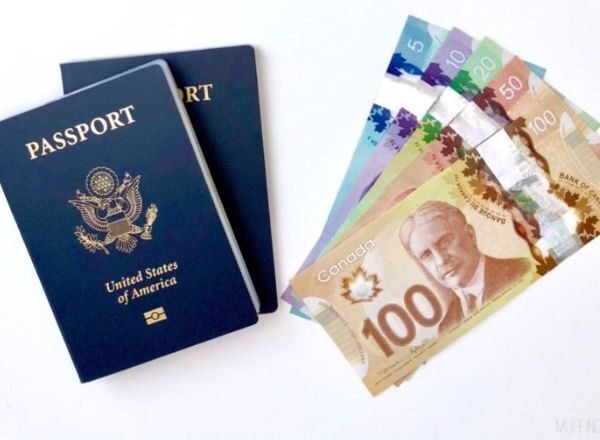
Photo credit: @ MuffinChanel
Before you land in Canada, having your essential documents and items organized is critical. Each document plays a specific role in helping you prove your identity, access services, and start your new life smoothly.
Let’s go through them in detail so you know exactly what to prepare and why it matters.
- Passport
Your passport is your most important travel document. It proves who you are and your citizenship. Without a valid passport, you cannot enter Canada. Make sure it is valid for at least six months beyond your arrival date. Always keep it on you during travel, not in checked luggage, to avoid losing it or having complications at the border.
- Visa, Work, or Study Permit
These documents give you legal permission to enter Canada for a specific purpose, whether it’s studying, working, or immigrating permanently. Each permit comes with rules, such as where you can work, how long you can stay, or conditions on your studies. Understanding these rules before arrival helps prevent any legal issues at the airport or later during your stay.
- Birth Certificate
Your birth certificate proves your date and place of birth. It may be required for identification, government services, or school enrollment. Always bring the original document as well as a certified copy to avoid delays or problems if the original is needed for official purposes.
- Marriage or Divorce Certificate
If applicable, these certificates confirm your marital status. They may be necessary for spousal sponsorship, health insurance applications, or housing arrangements. Carry originals and copies, and consider certified translations if they are not in English or French.
- Academic Transcripts and Diplomas
These verify your education and qualifications. They are often needed if you plan to continue your studies, apply for jobs, or have your credentials evaluated in Canada. If your documents are in a language other than English or French, have certified translations ready. Keeping both digital and physical copies is highly recommended.
- Medical and Vaccination Records
Your health records provide proof of vaccinations and any medical history. These are important for accessing healthcare, enrolling children in school, and ensuring continuity of care for any ongoing conditions. Keep these documents organized and easily accessible.
- Proof of Funds and Financial Resources
Moving to a new country is expensive. You need to show that you can support yourself for the first few months, covering rent, food, transportation, and other essential expenses. Have bank statements or proof of savings ready. Carry some cash, but rely mostly on a bank account to manage your finances safely.
- Banking Information
Understanding how Canadian banks work and having the documents to open an account quickly is crucial. Newcomer-friendly accounts are designed to make managing money easier. You’ll need your passport, visa, and sometimes proof of address to set up your account immediately after arrival.
- Health and Insurance Knowledge
Canada’s public healthcare system covers residents, but there may be a waiting period. Short-term private insurance can help bridge the gap. Knowing how the system works, and having insurance ready, prevents unexpected medical bills and ensures you get access to care when needed.
- Driver’s Licence / International Driving Permit
If you plan to drive, bring your valid driver’s licence and, ideally, an International Driving Permit. If you are importing a vehicle, you will also need vehicle registration and insurance history. These documents make it easier to get a Canadian licence and register your car without hassle.
- Translations and Copies of Documents
If your documents are not in English or French, get certified translations before you travel. Keep multiple sets of originals, photocopies, and digital backups. Originals are needed for official processes, while copies and digital versions protect you if anything is lost or misplaced.
Tips for Organizing Your Documents
- Start collecting all important documents weeks or months before your departure.
- Organize documents in a folder or binder, with both originals and copies.
- Keep digital backups on secure cloud storage.
- For items arriving separately (like shipped furniture or personal goods), prepare a detailed inventory with values to avoid customs issues.
- Carry health and vaccination records, especially for children or pre-existing medical conditions.
- Make sure you have enough funds saved to cover your first 3–6 months in Canada.
Think of these documents as your safety net. They protect you from unnecessary delays, fines, or legal complications, and give you the freedom to focus on settling in, finding work, and adjusting to your new life.
What to Do When Planning and After Landing in Canada

Photo credit: @ Mira A
Moving to Canada is exciting but can be overwhelming if you don’t know the steps to take before and after arrival. Here’s a structured roadmap that will help you plan, settle, and thrive as a newcomer.
Following these steps carefully ensures a smoother transition and reduces stress in your first months. Here’s something else that can guide your transition: How Newcomers Can Transition Their Career in Canada With Confidence
Before You Move: Prepare Required Documents and Paperwork
The first step in your immigration journey is getting your paperwork in order. Your documents are your key to a smooth arrival.
- Check your visa, work, or study permit to ensure it’s valid and matches your plans. This avoids complications at the airport.
- Organize essential certificates like your passport, birth certificate, marriage/divorce certificate, academic transcripts, and medical records. These are necessary for applying for jobs, professional licensing, school enrollment, or renting accommodation.
- Save sufficient funds to cover your first 3–6 months of living expenses, including rent, groceries, transportation, and emergencies. Having a financial buffer is crucial because finding a stable job may take time.
Short-Term Planning Before Arrival: Arrange Temporary Accommodation
Finding housing right away can be stressful. Booking short-term or transitional accommodation before arrival gives you breathing space to explore neighborhoods and search for long-term options without pressure. Options include short-term rentals, sublets, Airbnb, or hotel stays. Having a safe, temporary home reduces stress and gives you a base to start your Canadian life confidently.
Upon Arrival / Early Weeks: Take Care of Essential Administrative Tasks
Once you land, prioritize administrative tasks to establish your legal, financial, and healthcare foundations:
- Apply for your Social Insurance Number (SIN) immediately. This is required to work, pay taxes, and access government services.
- Open a Canadian bank account. Many banks offer newcomer-friendly packages, including low-fee accounts and credit-building tools.
- Register for public health coverage in your province, and consider short-term private insurance if your provincial plan has a waiting period.
- Check your driving licence status if you plan to drive. Some provinces allow temporary use of a foreign licence, while others require exchange or additional testing.
Taking care of these tasks early ensures that you are legally compliant and financially set up.
Settling In: Evaluate Housing, Cost of Living, and Lifestyle Choices
Once your essentials are in place, focus on planning your longer-term living situation:
- Research housing options — rent vs. buy, neighborhood safety, and amenities. Factor in proximity to work, schools, and public transit.
- Understand the cost of living in your chosen city. Budget for rent, utilities, groceries, transportation, and taxes. Canada has both federal and provincial sales taxes, so account for them in your monthly expenses.
- Plan transportation needs. Depending on the city, a car may be necessary, or public transit may be sufficient.
Being strategic about your housing and budget helps you avoid financial stress during your first months.
Social and Emotional Integration: Build Community and Self-Care Routine
Adjusting emotionally is just as important as handling logistics. Establishing connections and routines helps with social integration and mental well-being:
- Join newcomers’ groups, volunteer opportunities, and cultural associations to meet people and expand your support network.
- Stay connected with friends and family back home. Regular calls or messages help reduce homesickness.
- Engage in hobbies or clubs that interest you. This helps you meet people and maintain balance in your life.
- Allow yourself time to adjust. Feeling lost or overwhelmed at first is normal. Reflect on your experiences and give yourself grace.
Focusing on emotional health ensures that your move is sustainable, not just functional.
Longer-Term: Build Stability — Finances, Career, and Identity Balance
After settling in, start laying the foundation for long-term success:
- Build a credit history by using a secured credit card or small loans responsibly. A good credit record is essential for renting, financing, or future investments.
- Be patient with your career path. Many newcomers begin with temporary or “survival jobs” while gaining Canadian experience. Use this time to network, learn local workplace culture, and improve your skills.
- Balance cultural integration with maintaining your own cultural identity. Staying connected to your roots while learning Canadian norms helps you feel at home both socially and emotionally.
What Many Newcomers Don’t Expect or Struggle With

Moving to Canada is exciting, but even well-prepared newcomers often face challenges they didn’t anticipate. Understanding these common struggles can help you plan, adjust, and thrive in your new home.
1. Underestimating Living Costs
One of the biggest surprises for many newcomers is just how expensive everyday living can be. Rent, groceries, public transit, utilities, and bills add up quickly, especially in major cities like Toronto, Vancouver, or Montreal. Without proper budgeting, even well-intentioned financial plans can run into trouble.
Research the cost of living in your city in advance. Track typical monthly expenses and set aside extra funds for unexpected costs.
2. Overlooking the Waiting Period for Public Health Coverage
Canada’s healthcare system is excellent, but coverage often doesn’t start immediately upon arrival. Some provinces have a waiting period, which means medical visits, prescriptions, or dental care might not be fully covered at first.
Consider short-term private insurance for the waiting period and keep track of your medical history and vaccination records to ensure continuity of care.
3. Expecting a “Perfect Job” Immediately
Many newcomers arrive expecting to land their dream job right away. Reality can be different, local experience, language proficiency, and networking often play a huge role in securing your ideal position.
Be open to temporary or “survival jobs” at first. These positions help you gain Canadian work experience, build networks, and improve your resume for future opportunities.
4. Neglecting Mental Health and Emotional Well-Being
Immigration is not just a physical move — it’s an emotional journey. Feelings of loneliness, nostalgia, or even “immigrant regret” are common if you don’t proactively care for your mental health.
Establish a support network, stay in touch with family and friends back home, and build daily routines that include activities that bring you joy and relaxation.
5. Avoiding Socializing or Community Engagement
Some newcomers isolate themselves, thinking they’ll figure things out alone. This often increases stress and slows integration into the community.
Join cultural groups, volunteer, or attend local events. Building connections accelerates learning, improves confidence, and reduces feelings of isolation.
6. Failing to Adapt to New Social Norms and Language
Canada has its own cultural expectations, workplace etiquette, and social norms. Neglecting language improvement or not learning local customs can limit opportunities for social and professional integration.
Invest time in improving English or French skills, observe social cues, and ask questions when unsure. Understanding Canadian norms helps you feel confident and opens doors professionally and socially.
Different Paths to Settling Smoothly in Canada

Starting life in Canada can feel overwhelming, but approaching it strategically makes the process smoother, faster, and more rewarding. By planning ahead and taking advantage of available resources, newcomers can build a stable life while maintaining their emotional well-being. Another Essential Guide for Settling in Canada: Step by Step Settlement Tips for Newcomers in Canada.
1. Choose the Right City for Your Needs
The city you move to plays a major role in your overall experience. While major cities like Toronto, Vancouver, and Montreal are lively and full of opportunities, they often come with higher rents, longer commutes, and stiff competition for jobs.
Smaller or mid-sized cities, on the other hand, usually offer lower living costs, shorter commutes, and more close-knit communities, making it easier to settle and build social connections.
Take time to research housing options, job availability, public transit, and local amenities before making your decision. This ensures you find a city that matches both your lifestyle and budget.
2. Take Full Advantage of Settlement Programs
Canada provides a wide range of programs specifically designed for newcomers. From free mentorship programs and language courses to cultural orientation workshops and newcomer-friendly banking services, these resources are designed to ease the transition. Using them early can reduce stress, save money, and help you navigate life in a new country more confidently.
Sign up for settlement services as soon as possible. They offer both practical guidance and connections that can make your first months much smoother.
3. Balance Work with Retraining or Education
It’s common for newcomers to hope for a “perfect job” immediately, but this rarely happens. Many start with temporary or part-time work to cover living expenses while pursuing skills training, certifications, or additional education for long-term career goals. This approach allows you to gain Canadian work experience while enhancing your qualifications for future opportunities.
Look into professional bridging programs or online courses tailored to newcomers. These can accelerate your path into your chosen field and make you more competitive in the Canadian job market.
4. Preserve Your Identity While Integrating
Adjusting to Canadian life doesn’t mean leaving your cultural identity behind. Staying connected to your traditions, food, music, and community can provide emotional stability and a sense of comfort. At the same time, learning Canadian customs, social norms, and language skills is essential for successful integration and building confidence in both social and professional settings.
Aim for a balance: embrace new experiences and opportunities in Canada while keeping elements of your home culture alive. This dual approach strengthens mental well-being and fosters a sense of belonging.
Employment and Career Guidance

Finding a job in Canada is often one of the biggest challenges for newcomers. Many arrive expecting to land their “dream job” immediately, but the reality can be different. Understanding how the Canadian job market works and planning strategically will save you time, stress, and disappointment.
-
Set Realistic Job Expectations
Most newcomers start with temporary or entry-level positions while gaining Canadian work experience. These “survival jobs” may not match your previous career, but they help you build skills, understand workplace culture, and make connections. Treat your first job as a stepping stone: focus on learning, networking, and improving your resume for future opportunities. Even short-term positions can open doors to better roles.
-
Explore Bridging Programs and Certification Courses
Certain professions in Canada require local licensing, certifications, or accreditation. Bridging programs help newcomers transfer their skills and qualifications into the Canadian job market, especially in fields like healthcare, engineering, and education. Research professional associations in your field and consider taking online courses or workshops that improve your employability. Proactively upgrading your skills can make a significant difference in how quickly you land a relevant job.
-
Build a Strong Resume and Cover Letter
Canadian employers expect resumes and cover letters to be concise and results-focused. Highlight achievements and transferable skills rather than simply listing previous duties. Including local experience, even if voluntary or temporary, shows employers your familiarity with the Canadian workplace. Avoid international formats that may confuse recruiters, and make sure your cover letter addresses why you’re a good fit for the specific Canadian company.
-
Network Strategically
Networking is critical in Canada, as many jobs are secured through personal and professional connections rather than just online applications. Attend industry events, join newcomer-focused groups, and reach out to professionals in your field on LinkedIn. Mentorship programs and professional associations can provide guidance, job leads, and references, helping you tap into opportunities that aren’t advertised publicly.
-
Be Open to Learning and Skill Development
Even if you are highly qualified in your home country, adapting to Canadian workplace norms and expectations is essential. Employers value communication, teamwork, and cultural awareness alongside technical skills. Engaging in workshops, mentorship programs, and online courses can help you strengthen both your technical and soft skills, making you more competitive in the Canadian job market.
-
Stay Persistent and Positive
Finding the right job can take months, and facing rejections is normal. Maintaining a positive mindset while continuously seeking feedback and improving your skills will increase your chances of success. Keeping a structured job search schedule and tracking your applications helps you stay organized, while celebrating small milestones keeps motivation high during the process.
Employment in Canada requires patience, adaptability, and strategy. These steps not only help secure financial stability but also build confidence and professional growth, forming a strong foundation for life in Canada.
Emotional and Mental Health Preparation

Moving to a new country is more than a physical journey, it’s an emotional one. Even if you have all your documents, finances, and housing lined up, adjusting to life in Canada can be mentally and emotionally challenging. Preparing yourself before and after arrival can make a huge difference in how smoothly you settle.
-
Expect Homesickness and Culture Shock
Feeling homesick, nostalgic, or even overwhelmed is completely normal. Many newcomers experience culture shock when adjusting to new social norms, weather, and daily routines. Recognizing these emotions as natural helps you respond with patience rather than frustration. Keeping in regular contact with family and friends back home through calls, messages, or video chats can provide comfort and reduce the sense of isolation.
-
Build a Support Network Early
Establishing connections in Canada is crucial for emotional stability. Joining newcomer groups, volunteering, or attending local cultural events helps you meet people who understand what you’re going through. Forming even a small circle of supportive friends can provide advice, encouragement, and companionship, which is invaluable during the first months of settling in.
-
Practice Self-Care and Routine
Creating a daily routine helps your mind and body adjust to a new environment. Simple practices like exercise, healthy eating, journaling, or pursuing hobbies can reduce stress and give structure to your days. Balancing practical responsibilities with activities that bring you joy supports both your mental health and overall well-being.
-
Set Realistic Expectations
Life in Canada may not look exactly like what you imagined. Jobs, social connections, and housing may take longer to secure than expected. Being realistic about timelines and challenges prevents disappointment and helps you celebrate small victories, like completing your first job application or making a new friend.
-
Seek Professional Support if Needed
Sometimes emotional challenges can feel overwhelming, and that’s okay. Accessing counseling or mental health services, especially those geared toward newcomers, can provide guidance and coping strategies. Many provinces and community organizations offer low-cost or free support, so you don’t have to face difficulties alone.
-
Balance Integration with Cultural Identity
Maintaining your cultural roots while integrating into Canadian society supports emotional well-being. Preparing meals from home, celebrating cultural holidays, or staying in touch with cultural communities can provide comfort. At the same time, embracing Canadian customs, language, and social norms helps you feel confident and connected in your new environment.
Prioritizing mental well-being ensures you not only adjust but also enjoy a smoother, more fulfilling transition to life in Canada.
Before you finalize your plans, take a look at this:
Navigating the Hidden Job Market in Canada: A Newcomer’s Guide to Career Success
From Vision to Residency: Canada’s Start-Up Visa Program
I Did Not Make a Mistake Coming to Canada: Finding Hope After Frustration
Workplace Culture in Canada: What Newcomers Should Know (And How to Lean In)
Social Integration and Community

Adjusting to life in Canada isn’t just about paperwork and finding a job, it’s also about building connections and feeling like you belong. Social integration is essential for emotional well-being, personal growth, and long-term success. Many newcomers ask, “How do I make friends in Canada as an immigrant?” The answer lies in intentional networking, community involvement, and cultural adaptation.
-
Join Cultural and Community Groups
One of the easiest ways to meet people is by participating in cultural or community groups. Whether it’s a local immigrant association, a hobby-based club, or a cultural society, these spaces provide a supportive environment where newcomers can connect with others who share similar experiences. Engaging in these groups helps with cultural adaptation in Canada while offering practical guidance on navigating daily life.
-
Explore Volunteering Opportunities
Volunteering is an effective way to build a network, gain Canadian work experience, and develop skills. Many nonprofits, community centers, and cultural organizations welcome newcomers as volunteers. Beyond improving your resume, volunteering introduces you to locals, builds friendships, and gives you a sense of purpose during your first months in Canada.
-
Learn Social Norms, Etiquette, and Language Skills
Understanding Canadian social norms and etiquette is crucial for building meaningful connections. Simple practices like polite greetings, punctuality, and respectful communication can make a big difference. Improving English or French language skills, through language classes, conversation clubs, or online resources, also makes it easier to socialize, network, and integrate smoothly.
-
Maintain Your Cultural Identity While Integrating
Integrating into Canadian society doesn’t mean leaving your roots behind. Celebrating cultural traditions, cooking familiar meals, or attending cultural events helps you maintain emotional balance and a sense of identity.
At the same time, participating in Canadian activities and learning local customs fosters social integration and builds confidence in new social settings.
Know that social integration is not only key to emotional well-being but also helps create opportunities for personal growth, professional connections, and a fulfilling life in Canada.
Long-Term Planning and Stability

Settling in Canada isn’t just about surviving the first few months, it’s about building a secure, fulfilling life over the long term. Newcomers often wonder how to balance finances, career growth, and cultural adaptation while creating stability for themselves and their families.
-
Build Credit History and Understand Banking
Establishing a good credit history early is essential for future financial stability. Canadian banks offer newcomer-friendly accounts and sometimes secured credit cards to help you start building credit. Understanding how credit scores work, paying bills on time, and avoiding unnecessary debt can make renting apartments, buying a car, or accessing loans much easier in the future.
-
Plan Your Career and Education Path
Landing a long-term career in Canada often requires strategic planning. Consider taking bridging programs, professional certifications, or additional courses that align with your field. Many newcomers start with short-term or part-time work to gain Canadian experience while pursuing education or training that will help them progress in their chosen profession. This approach ensures both financial stability and long-term career growth.
-
Financial Planning, Taxes, and Investments
Canada has unique financial systems, including federal and provincial taxes, retirement plans, and investment options. Learning how to budget for rent, transportation, groceries, and taxes is critical. Over time, newcomers can explore investments, savings accounts, and retirement planning, which help secure their future and provide peace of mind.
-
Balance Canadian Life with Personal and Cultural Identity
Integrating into Canadian society doesn’t mean giving up your roots. Maintaining connections with your home culture, through food, traditions, or community groups, supports emotional well-being. At the same time, embracing Canadian norms, social practices, and language skills helps you feel confident and connected in your new environment. Striking this balance strengthens both personal identity and social integration, making your long-term settlement more successful.
Conclusion
Landing in Canada is exciting, but it comes with a mix of challenges and surprises, both practical and emotional. What I Wish I Knew Before Landing in Canada: Emotional Truths + Practical Tips for a Smooth Transition becomes clear the moment you start managing documents, finances, healthcare, jobs, housing, and social integration—because the first few months can feel overwhelming.
The truth is, no checklist or guide can eliminate all the uncertainty, but understanding what to expect and having a clear roadmap makes the transition smoother and more manageable.
Embracing emotional preparedness is just as important as practical planning. Homesickness, culture shock, or moments of self-doubt are normal and temporary. Building a support network, joining community and cultural groups, and maintaining connections with your roots will give you a sense of stability while helping you adapt to Canadian life.
Practical steps like opening a bank account, applying for a SIN, understanding healthcare, and budgeting for the cost of living lay the foundation for security. Meanwhile, investing in career development, language skills, and long-term financial planning ensures that you’re not just surviving but thriving in your new home.
Ultimately, settling in Canada is a journey, a mix of learning, adapting, and growing. By combining careful preparation, proactive engagement with community resources, and self-care, you can turn the challenges of immigration into opportunities for personal and professional growth.
Your path may not be perfect, but with patience, planning, and persistence, you can confidently build a fulfilling life in Canada, one that balances your dreams, identity, and well-being.
FAQs – Essential Questions for Newcomers to Canada
1. How do I open a bank account in Canada as a newcomer?
Most Canadian banks offer newcomer-friendly accounts with no credit history required. You’ll typically need your passport, visa, Social Insurance Number (SIN), and proof of address. Opening a bank account early helps manage expenses, pay bills, and start building a Canadian credit history, which is crucial for renting apartments or applying for loans later.
2. How do I get healthcare coverage in Canada?
Healthcare in Canada is managed at the provincial level. Most provinces require you to register for a health card, but some have a waiting period before coverage begins. During this time, it’s wise to purchase short-term private health insurance. Bringing medical records and prescription information ensures continuity of care once you arrive.
3. How can I find a job as a newcomer in Canada?
Finding a job in Canada may take time, even with strong credentials. Start with entry-level or temporary roles to gain Canadian work experience while pursuing bridging programs, professional certifications, or skills training in your field. Networking through community events, mentorship programs, or volunteering can also open doors to long-term career opportunities.
4. How do I build credit and plan my finances for the long term?
Building credit early is essential for financial stability. Use a secured credit card or newcomer banking programs, pay bills on time, and avoid unnecessary debt. Track monthly expenses, understand federal and provincial taxes, and gradually explore savings, investments, and retirement plans. Thoughtful financial planning creates a secure foundation for life in Canada.
5. Which city in Canada is best for newcomers?
City choice has a huge impact on cost of living, job opportunities, and social integration. Toronto, Vancouver, and Montreal offer vibrant job markets but come with higher living costs. Smaller or mid-sized cities often have more affordable housing, shorter commutes, and tighter communities, making it easier to settle and build connections.
6. How long does it take to feel settled in Canada?
Adjustment timelines vary. Many newcomers begin to feel comfortable within 6–12 months, though homesickness, culture shock, and challenges in finding work may persist longer. Active engagement in community programs, volunteering, language learning, and networking can accelerate integration and emotional comfort. Patience and self-care are key.
You just read: What I wish I knew before landing in Canada Emotional Truths + Practical Tips.