You are about to read: Single Motherhood in a New Land: Emotional Survival and Thriving Tips.
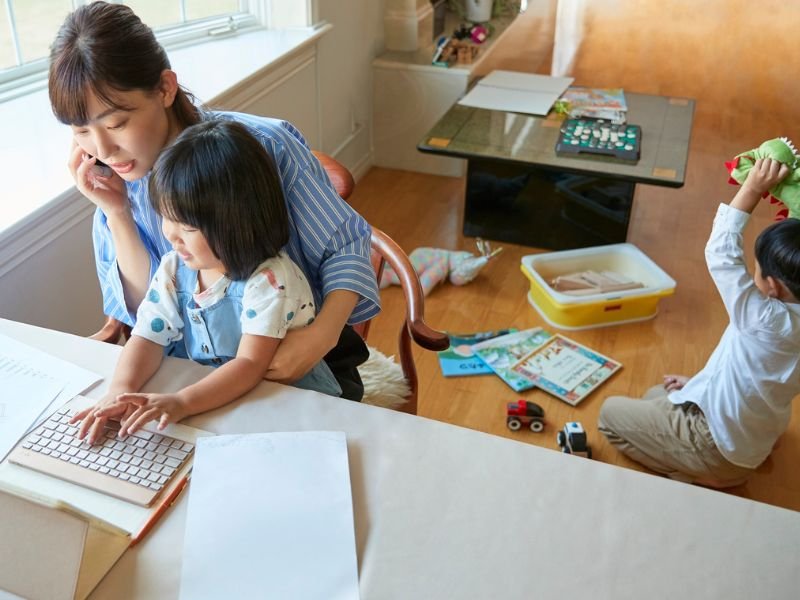
When Mia arrived in a new country with her little daughter, she expected challenges , finding a home, figuring out schools, and making ends meet. What she didn’t expect was the quiet, heavy feeling of being alone, responsible for everything, and constantly wondering if she was enough. Nights felt long, days felt endless, and the weight of it all often made her feel invisible.
If you’re a single mother starting over in a new land, you know this feeling too well. The worries, the guilt, the loneliness, they can feel overwhelming. Single Motherhood in a New Land: Emotional Survival and Thriving Tips is here to guide you through these emotions.
This post shares ways to care for your heart, stay strong, and not just survive, but thrive, for yourself and your child. You will find this helpful: Emotional First Aid for Immigrants: Recognizing and Responding to Hidden Stressors
Emotional Survival and Thriving Tips
1. The Constant Feeling of Being Overwhelmed

There’s a kind of exhaustion motherhood brings that isn’t solved by sleep. It’s the mental overload, the invisible weight of remembering everything, predicting everything, managing everything. A lot of moms don’t talk about this because it feels like admitting weakness, but the truth is, the overwhelm comes from caring too much, not too little.
Moms carry schedules, emotions, responsibilities, school demands, household needs, and everyone’s expectations in their heads. And even when they sit down to rest, their mind doesn’t stop.
Overwhelm shows up in the little moments too, snapping at someone for no real reason, forgetting small things, or feeling guilty because you’re “supposed” to handle it better. It’s a lonely feeling because, from the outside, people see a mother doing everything. But on the inside, she’s holding on with whatever little energy she has left.
How you can survive it as a mom:
Focus on small anchors that give your mind a break. Create tiny predictable routines, a 10-minute morning pause, writing down tomorrow’s tasks, or weekly planning. Let go of being “on top of everything” and choose to be present for the things that truly matter. Tiny structures create emotional stability in a world that feels unpredictable.
2. The Guilt That Shows Up in Everything
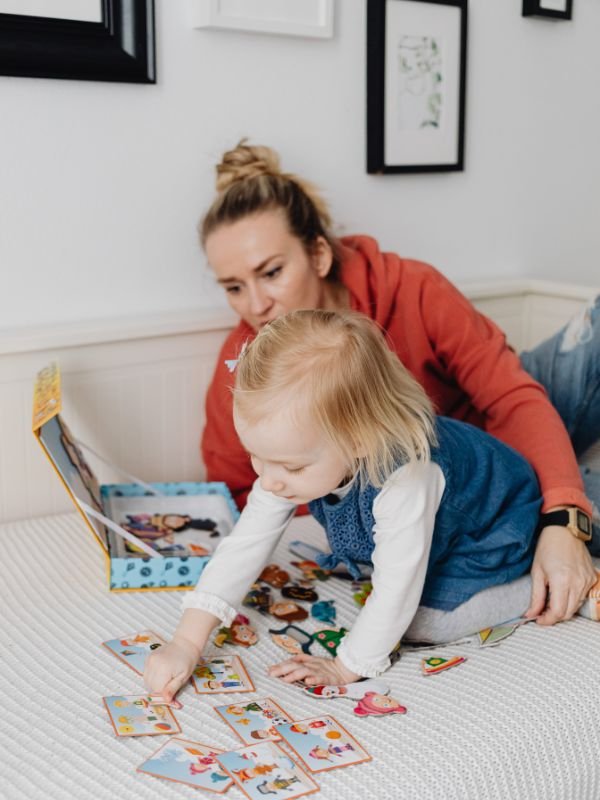
Mom guilt is one of the most powerful emotional battles mothers face, and it comes from all directions. There’s guilt when they’re working because they feel they’re not doing enough at home. Guilt when they’re resting because there’s always something undone. And guilt when they discipline their kids, lastly guilt when they don’t.
The world has created impossible standards for mothers, and even on days when they’re doing 10 things right, they only see the 1 thing they think they failed at.
This guilt also sticks to comparison, watching the “perfect moms” online and wondering why they’re struggling with the things that seem easy for others. What most moms don’t realize is that every other mother is also trying, doubting, adjusting, and hoping they’re not messing up something permanently. The guilt isn’t a sign they’re doing badly, it’s proof they care deeply.
How you can survive it as a mom:
Learn self-forgiveness and focus on presence over perfection. Showing up for your child, even when tired, imperfect, or anxious, matters far more than being flawless. Celebrate small wins, seek support from other mothers, and remind yourself that doing your best is already enough.
3. Losing Yourself While Taking Care of Everyone Else

Motherhood can slowly shift a woman’s identity in a way she doesn’t immediately notice. Her hobbies fade, her social life shrinks, her goals are paused, her routines are replaced by the needs of others. One day, a mother looks in the mirror and realizes she can’t remember who she was before diapers, school runs, meal planning, and responsibility.
This loss isn’t always dramatic,it can be quiet.
It’s the moment she tries to do something for herself and feels guilty. When she buys something small and wonders if she should’ve spent that money on the kids instead. And when she tries to talk about her dreams but is told to “focus on the children first.” It’s when she starts to believe her only role is to give and never receive.
This emotional struggle is deep because it touches identity. It makes a mother feel like she traded herself to keep her family functioning. And even though she loves her children, she misses the version of herself who had her own life, passions, and definition outside of being needed. Also read: The Quiet Pause: How Brief Moments of Stillness Reset Your Inner Calm
How you can survive it as a mom:
Reclaim small parts of yourself. Pick up old hobbies, explore new interests, or set small personal goals outside of motherhood. Nurturing yourself isn’t selfish, it refills your emotional tank and allows you to show up fully for your child.
4. The Loneliness That Happens Even in a Full House

Motherhood can be strangely isolating. A woman can be surrounded by children, noise, responsibilities, and constant movement, yet emotionally feel like she’s carrying everything on her own.
It’s not the absence of people that creates the loneliness, it’s the absence of being understood. Many mothers don’t feel like they have a place to express their frustrations without being judged. They can’t openly say they’re overwhelmed without someone responding, “But you wanted kids,” or “Other mothers are doing it fine.”
So they bottle things up. They become the strong one in every situation. They smile through stress, comfort everyone else, and quietly swallow their own emotions. Loneliness grows in the spaces where a mother feels unseen, when she’s listening to everyone else but no one is asking how she is doing. The hardest part is that this loneliness is invisible; people assume she’s fine simply because she’s functioning. Check out: Sleep, Stress & Transitions: Why You Need Emotional Rest During Major Life Moves
How you can survive it as a mom:
Seek one or two genuine connections. A fellow parent at school, a neighbor, an online support group, or a friend you trust can become a lifeline. It’s not about having many people, one safe person can dramatically reduce emotional isolation.
5. The Pressure to Always Be Patient and Perfect
Mothers often feel they’re expected to be endlessly patient, endlessly calm, endlessly composed, like a soft and gentle presence who never cracks.
But real motherhood includes moments of anger, frustration, overstimulation, and deep emotional fatigue. When a mother snaps or raises her voice, she doesn’t just feel bad, she feels like she’s failing. Society allows children to be overwhelmed, partners to be stressed, and everyone to have bad days… except mothers.
This pressure is heavy. It forces women to hide their real emotions, pretend they’re okay, and push themselves way beyond their limits. The truth is, mothers are human. They get tired, have triggers, survive overstimulation from noise, touch, and demands that don’t stop. Feeling like they must be perfect makes the journey heavier because they start judging themselves for simply being normal.
How you can survive it as a mom:
Accept your humanity. Pause before reacting, set gentle boundaries, and normalize your emotions. Aim for repair instead of perfection: apologize if necessary, reconnect, and keep moving forward with compassion toward yourself.
6. Feeling Unappreciated Even When You Give Everything

There are seasons of motherhood where a woman gives so much of herself that she forgets what it feels like to be acknowledged. The meals, the cleaning, the planning, the comforting, the late nights, the early mornings, much of it goes unnoticed because it becomes routine. But the emotional labor is what drains the most: being the peacemaker, the problem-solver, the emotional anchor for everyone else.
Over time, a mother can start feeling invisible. She wonders if anyone sees how hard she tries or how much she sacrifices. She may not ask for appreciation because asking feels like begging. But the truth is, every mother wants to feel valued, not because she needs praise, but because being seen makes the load lighter. Feeling unappreciated can slowly chip at her confidence and make her question whether she’s doing enough, even though she’s doing more than most people realize.
How you can survive it as a mom:
Redefine validation. Acknowledge yourself, celebrate small wins, and ask for appreciation when needed. Gratitude doesn’t have to come from others alone, start by noticing what you accomplished, however small. Recognition begins internally before it can grow outward.
7. The Fear That They’re Not Doing Motherhood “Right”

No role comes with more unsolicited advice than motherhood. Everyone has an opinion, family, strangers, the internet. With every comment, comparison, or criticism, a mother begins questioning herself. “Am I feeding them right?” “Am I too strict?” “Too soft?” “Should I be doing more?” This fear of doing it wrong grows quietly because motherhood doesn’t come with clear instructions, and every child is different.
This fear is intensified by social media, where motherhood looks polished and effortless. Moms see perfect routines, spotless homes, and well-behaved children, and wonder why their real-life version feels chaotic. The pressure to “get it right” makes mothers feel like one wrong decision will shape their child forever. The truth is, most moms are doing far better than they think, they just don’t hear it often enough.
How you can survive it as a mom:
Focus on what you can control. Make simple, deliberate choices for your child’s emotional and physical safety rather than aiming for an ideal standard. Keep a journal of wins, even tiny ones, like your child smiling after a challenge or successfully learning something new. Connect with at least one trusted adult, another parent, teacher, or mentor, who can give guidance without judgment. Remind yourself daily: consistency, care, and presence matter far more than perfection.
8. The Exhaustion of Always Being Needed

Motherhood is a constant call, someone always needs something. A snack. Comfort. Homework help. Advice. A listening ear. A solution. A plan. A mother is rarely “off duty,” even when she’s physically resting. Her brain stays alert, ready to respond. This constant emotional and physical availability drains her energy in ways she can’t easily describe.
What makes this exhausting is not the tasks themselves but the nonstop nature of them. Children need reassurance. Partners need support. Even extended family depend on mothers for emotional stability. It can feel like there’s no moment in the day that belongs only to her. This is why mothers often feel burnt out even when they enjoy motherhood, the giving never stops.
How you can survive it as a mom:
Create intentional micro-rests throughout your day. Even five minutes of focused breathing, a short walk, or listening to music can reset your nervous system. Assign age-appropriate responsibilities to your child to lighten your load and build their independence. Batch tasks instead of reacting to each demand individually, so your energy is spent strategically. Seek support networks, online forums, immigrant mother groups, or neighbors, even for small tasks or advice. Protecting your energy is not selfish; it is essential for sustaining your emotional resilience.
9. Carrying the Emotional Weight of the Household

Mothers often become the emotional thermostat of the family. They sense when something is wrong, they absorb everyone’s mood, they manage conflicts, soothe feelings, anticipate meltdowns, and prevent chaos. This invisible role requires constant emotional awareness, which is both beautiful and exhausting.
Many mothers don’t talk about this burden because it’s not something you can physically point to, it’s not laundry or dishes. It’s the unseen mental coordination that keeps the home from falling apart. Over time, carrying everyone’s emotions can make a mother feel overstretched, overstimulated, and emotionally drained. She becomes the strong one even when she’s breaking inside.
How you can survive it as a mom:
Set clear emotional boundaries. Decide what is your responsibility and what can be shared. Teach children basic emotional awareness and coping skills, labeling feelings, taking breaks when upset, or solving minor conflicts independently.
Encourage older children to contribute emotionally and practically where appropriate. Schedule intentional “decompression” time for yourself daily, even 10–15 minutes of complete silence or meditation can reset your nervous system. Seek adult companionship regularly, even if brief, to share burdens and prevent the household weight from crushing you alone.
10. The Silent Grief of Letting Go as Children Grow

Mothers experience a unique kind of grief that no one warns them about, the grief of watching their children grow away from needing them in the same way. Each stage brings pride, but also a quiet ache. The baby who once clung to her becomes a teenager who wants space. The child who once asked for help now insists on doing everything alone.
This emotional shift can leave mothers confused because they’re happy, yet heartbroken. They give everything to raise independent children, but independence means relearning their place in their children’s lives. This grief isn’t dramatic, it’s soft, tender, and hidden. It comes through memories, old photos, and the realization that certain seasons will never return.
How you can survive it as a mom:
Acknowledge your grief openly, in journals, conversations with friends, or quiet reflection. Replace attachment anxiety with mentorship: shift from doing everything for your child to guiding, advising, and witnessing their growth.
Create new forms of connection, shared activities, meaningful conversations, or weekly check-ins, to maintain closeness while allowing independence. Celebrate their milestones actively, and celebrate your own adaptability in letting go. Accept that grieving this stage is normal; it doesn’t mean you’re failing, it means your love is evolving.
Ways to Thrive Emotionally as a Single Mother in a New Country

Photo credit: NitraaB
1. Understanding the Emotional Rollercoaster of Moving Abroad as a Single Mom
Adjusting to a new country while raising children alone is emotionally intense. Single moms often face loneliness, culture shock, and the pressure to provide stability for their kids while navigating unfamiliar systems.
These challenges make emotional survival essential. This is why single motherhood in a new land: emotional survival and thriving tips focuses on identifying and understanding your feelings, so you can respond to them instead of letting stress accumulate. Learning to acknowledge overwhelm, guilt, and isolation is the first step toward emotional resilience. You should read: Micro-Habits for Gentle Growth: 5 Tiny Routines That Build Resilience
2. Building Emotional Resilience While Raising Children Alone
Raising children alone in a new country requires more than just practical survival skills, it demands emotional strength. Many single moms experience stress, anxiety, or self-doubt while managing work, school, and household responsibilities.single motherhood in a new land: emotional survival and thriving tips teaches practical strategies for coping, such as setting boundaries, seeking support networks, and prioritizing small self-care routines. These strategies help single moms thrive emotionally, even in challenging circumstances.
3. Coping With Guilt, Stress, and Isolation
Guilt and stress are constant companions for single mothers abroad. Feeling like you’re never doing enough or comparing yourself to other moms online can drain your energy. single motherhood in a new land: emotional survival and thriving tips emphasizes the importance of self-compassion and realistic expectations. Creating safe spaces to share your experiences, connecting with other immigrant moms, and practicing daily emotional check-ins can dramatically reduce stress and prevent burnout.
4. Practical Emotional Survival Strategies for Single Moms Abroad
Day-to-day life for single mothers in a new country can feel overwhelming. Between work, childcare, and managing immigration systems, it’s easy to neglect your own emotional needs. Ssingle motherhood in a new land: emotional survival and thriving tips encourages strategies like journaling, micro-breaks, structured routines, and delegating tasks to reduce emotional overload. Implementing even small daily habits builds stability and helps single moms stay mentally and emotionally grounded.
5. Thriving, Not Just Surviving, in a New Environment
Emotional survival is one thing, but thriving is another. Single mothers often wonder if they can enjoy life and grow while raising children alone abroad. single motherhood in a new land: emotional survival and thriving tips highlights ways to thrive: maintaining hobbies, building friendships, learning new skills, and celebrating personal and family achievements. Thriving as a single mom requires balancing care for your child with care for yourself, creating a life that feels fulfilling rather than just manageable.
6. Finding Support Networks and Emotional Resources
Single mothers in a new country often lack a built-in support system. Emotional survival is much harder without guidance, advice, or someone to listen. single motherhood in a new land: emotional survival and thriving tips stresses the importance of building networks: connecting with other immigrant moms, joining local or online support groups, and accessing counseling or community resources. These connections provide validation, practical advice, and emotional relief, which are essential for long-term wellbeing. If it feels heavy read: Coping with Homesickness and Building Community
Coping Strategies for Single Moms

Photo credit: @ Помогайка
-
Create a Daily Routine
Having a predictable schedule helps reduce stress for both you and your children. Even small routines like set mealtimes or bedtime rituals give a sense of stability. -
Build a Support Network
Connect with other single moms, immigrant communities, or local parenting groups. Even online groups can provide advice, encouragement, and a listening ear. Read: From Hello to Here: Building a Community When You’ve Just Arrived -
Prioritize Self-Care
Take small moments for yourself daily, a walk, journaling, reading, or a short meditation. Caring for your emotional health isn’t selfish; it’s necessary. -
Set Boundaries
Learn to say no when overwhelmed and teach your children about limits. Protecting your energy is essential for long-term emotional survival. -
Seek Professional Help When Needed
Therapists, counselors, or support hotlines can provide tools to manage anxiety, stress, and depression, especially while navigating life in a new country. -
Celebrate Small Wins
Acknowledge daily successes, even tiny ones. Completing chores, helping your child learn, or getting through a stressful day are all victories. -
Practice Mindfulness and Stress-Relief Techniques
Breathing exercises, yoga, or short meditation breaks help calm the mind and prevent emotional burnout. -
Involve Children in Age-Appropriate Tasks
Giving children responsibilities fosters independence and reduces your workload, creating shared responsibility in the household. -
Connect With Your Cultural Community
Being part of a familiar community can ease loneliness, provide guidance, and help maintain your identity in a new country. -
Keep a Journal or Express Emotions Creatively
Writing, drawing, or other creative outlets help process feelings, release stress, and track your emotional growth over time.
Conclusion
Single motherhood in a new country is one of life’s toughest journeys, filled with unseen challenges, heavy responsibilities, and moments of doubt. But it is also a path of incredible strength, resilience, and love.
By understanding your emotions, seeking support, and practicing simple coping strategies, you can not only survive but truly thrive, creating a life of stability, joy, and growth for both you and your child. Remember: every small step counts, and every moment of care for yourself is a gift to your family.